
Solar Savings Calculator
How much can you save with solar panels?
Get a first estimate in seconds. Then tweak your design to match your situation.
How much do you pay for your electricity per month?
If you’re not sure, check your electricity bill – don’t include your gas usage by mistake!
Starting design: 8 × 500W panels · 4 kWp. Modify assumptions below.
A first look at the possibilities
Your roof, in numbers.
Illustrative annual figures
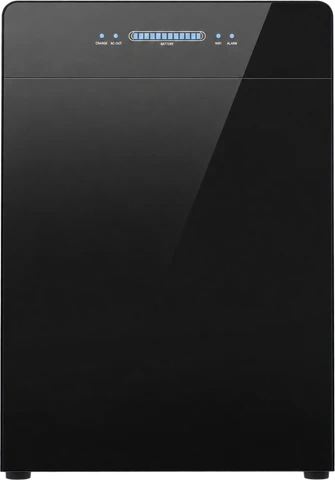
Battery included: 5 kWh. Change size.
£675 / year
Total annual benefit from solar and battery storage, including bill savings and export income
56%
Reduction in your annual electricity costs, including bill savings and export income

Generation estimate only. The financial assumptions for this calculator cover Great Britain.
Where your annual solar benefit comes from
Your total annual benefit is £675.
£301
Electricity bill savings
£374
Export income
Your annual electricity costs, with and without solar and battery
The reduction in your annual electricity costs with solar panels is 56%. The chart below shows what your bill would look like with and without solar and battery, including bill savings, export income and the standing charge.
Where your solar electricity goes
This system is estimated to generate 4,261 kWh a year.
27% – 1,146 kWh
of your solar generation used at home
73% – 3,115 kWh
of your solar generation exported to the grid
The figures above are illustrative annual estimates. The financial figures exclude installation and ownership costs. Actual generation and savings depend on your roof, system, electricity use and tariff.
Fine-tune your estimateAdjust the details to match your situation.
How this estimate is calculated
We use your postcode to select regional solar data from PVGIS 5.3 for 2014–2023. The number and wattage of your panels determine the system size. Roof direction, pitch and shading affect how much electricity the panels generate and when. We assume the inverter is sized to match the panels.
We estimate your annual electricity use from your monthly bill, import rate and standing charge, or use the annual kWh you enter. We match that figure to household usage patterns from the CREST 2.2 demand model based on how often someone is home during weekdays. The model uses a single import rate and does not separately model overnight EV charging or electric heating.
We compare generation and household demand in half-hour periods, splitting each hourly PVGIS estimate equally into two. Your home uses solar electricity first. With battery storage selected, surplus solar can charge the battery within the capacity and power limits you enter. Round-trip efficiency and a fixed 10 W inverter draw affect how much electricity the battery can supply. The estimate excludes charging the battery from the grid.
Surplus electricity left over is exported at the rate you enter. We assume no export limit. If your installation has one, export income could be lower. Bill savings are the difference between the estimated bills before and after installation, both including the standing charge. Add export income to the bill savings to get the total annual benefit. The chart shows the remaining bill after export income, compared with the bill before installation.
The essentials
Make more of your solar.
Two ways solar helps you save.
Solar electricity you use at home reduces how much you need to buy from your supplier. Surplus electricity sent to the grid can earn you export income. The calculator adds these together to show your total annual benefit. The percentage reduction in your annual electricity costs includes both.
When you use electricity matters.
Moving everyday tasks, such as running your washing machine or dishwasher, to times when your panels are generating can help you use more of your own solar electricity. A battery can store some of the surplus for later. How much this saves depends on the price you pay for electricity and what you could earn by exporting it.
Will solar cover my whole electricity bill?
You will usually still have an electricity bill to pay. Your home may need power from the grid at night or when your panels are generating less, and your tariff’s standing charge still applies. Export income can help offset those costs, but a low annual bill after export income does not mean your home can run entirely on solar.
Does adding a battery always make financial sense?
Not always. A battery can help you use more of your solar electricity, but it also adds to the installation cost. Switch battery storage on and off above to compare the estimated total annual benefit, then weigh the difference against the battery’s installed cost and expected lifespan. This calculator includes battery energy losses but excludes potential extra savings from charging on cheaper off-peak grid electricity.
How accurate is this estimate?
It is a starting point based on the details you enter and typical patterns of sunshine and household electricity use. Your actual results will vary with the weather, when you use electricity and your tariff. Use “Fine-tune your estimate” to match the details to your home, then ask an installer for an assessment of your roof and proposed system. The annual benefit shown excludes installation and ownership costs.