If you have an electric car, solar panels or battery storage – or you’re thinking about getting them – the type of electricity tariff you choose can make a huge difference to your bills.
The right tariff could save you hundreds of pounds each year. The wrong one could leave money on the table.
This guide explains the main types of energy tariff available, which ones suit different technologies, and some of the major energy suppliers offering them. By the end, you’ll have a clear idea of which tariff type might work best for your home.

WHY YOUR ENERGY TARIFF MATTERS
Most people stick with a standard, single-rate electricity tariff. You pay the same price per kilowatt-hour (kWh) whether you use electricity at 3pm on a Tuesday or 3am on a Sunday.
That’s fine if you don’t have an electric car, solar panels or battery storage. But once you introduce these technologies into your home, a standard tariff starts to look rather inefficient.
Here’s why:
- Electric Cars: Your EV has a large battery that needs charging, often overnight. If you can charge when electricity is cheaper, you’ll save money.
- Solar Panels: Your panels generate electricity during the day. If you export surplus solar electricity back to the grid, you want to be paid a fair price for it.
- Battery Storage: Your home battery can store cheap electricity and release it when prices are high. But this only makes financial sense if there’s a big enough difference between cheap and expensive electricity rates.
The good news is that energy suppliers have developed tariffs specifically designed for people with these technologies. Let’s look at the main types.


TYPES OF ENERGY TARIFF
Time-of-Use Tariffs
Time-of-use tariffs charge different rates depending on the time of day. The most common version is Economy 7, which has been around for decades. More recently, we’ve seen Economy 10 and various smart tariffs that offer more flexible time periods.
HOW THEY WORK
• Off-peak hours: Lower electricity rates, typically overnight (for example, 12:30am to 7:30am).
• Peak hours: Higher rates during the day when electricity demand is high.
• Some tariffs have three rates: off-peak, peak and a standard rate.
WHO THEY SUIT
Time-of-use tariffs are brilliant if you:
• Charge your electric car overnight.
• Can run appliances like washing machines and dishwashers during off-peak hours.
• Have battery storage that can charge at night and discharge during the day.
The savings can be substantial. Off-peak rates can be less than half the price of peak rates. If you charge a typical EV battery (say, 60 kWh) once a week, you could save £300-£500 per year compared to a standard tariff.
MAJOR PLAYERS
Octopus Energy is the standout supplier in this space. Their tariffs offer very competitive off-peak rates and integrate with many EVs and home chargers. British Gas, E.ON Next and EDF also offer time-of-use tariffs, though rates and off-peak windows vary.
EV-Specific Tariffs
Some suppliers have created tariffs specifically for electric car owners. These are generally time-of-use tariffs optimised for overnight charging, often with particularly cheap rates during the small hours.
HOW THEY WORK
- Super-cheap rates during a specific overnight window (often 6 hours or more).
- Standard or slightly higher rates the rest of the day.
- Some tariffs integrate with your car or smart charger to automatically charge during cheap periods.
WHO THEY SUIT
These tariffs are ideal if:
- You have an electric car and off-street parking.
- You typically charge at home rather than using public charging points.
- You don’t mind slightly higher daytime rates in exchange for rock-bottom overnight prices.
The key is doing your sums. Work out how much you’ll save on EV charging versus any extra you might pay for daytime electricity use. For many households, the trade-off is very worthwhile.
MAJOR PLAYERS
Octopus Energy again leads the pack with their Octopus Go tariffs which offer extremely competitive overnight rates. OVO Energy has its Charge Anytime tariff for compatible vehicles – this is a ‘Type of Use’ tariff, where you get the low rate only for car charging, but you can charge any time of the day or night. Scottish Power, E.ON Next and British Gas also provide EV tariffs, though availability and rates vary by region.

Solar Export Tariffs (SEG)
If you have solar panels, you’re generating electricity. When your panels produce more than your home needs, that surplus electricity flows to the grid. Solar export tariffs, known as Smart Export Guarantee (SEG) tariffs, pay you for this exported electricity.
HOW THEY WORK
- You receive a payment (usually in pence per kWh) for every unit of electricity you export.
- Some tariffs offer a fixed rate; others vary the rate depending on time of day or wholesale electricity prices.
- Your export must be measured by a smart meter or dedicated export meter.
WHO THEY SUIT
Anyone with solar panels should have an export tariff. It’s money you’d otherwise be giving away for free.
The best tariff for you depends on your circumstances:
- If you export mainly during the day when you’re out, a standard SEG tariff might be fine.
- If you have battery storage and can time your exports strategically, a variable-rate or time-of-use export tariff could earn you more.
MAJOR PLAYERS
Most major suppliers offer SEG tariffs. Octopus Energy’s Outgoing Fixed and Outgoing Agile tariffs are popular. British Gas, E.ON Next, EDF and OVO Energy all provide SEG options. Rates typically range from around 4p to 15p per kWh, though some variable tariffs can occasionally pay much more during periods of high demand.

Agile and Dynamic Tariffs
These are the cutting edge of energy tariffs. Rather than fixed time windows, prices change every 30 minutes or hour based on wholesale electricity costs and grid demand.
HOW THEY WORK
- Electricity prices are announced in advance (often the day before).
- Prices fluctuate throughout the day – sometimes dramatically.
- You can use apps to track prices and schedule usage during the cheapest periods.
- On rare occasions, prices can even go negative (you get paid to use electricity).
WHO THEY SUIT
Agile tariffs suit tech-savvy households willing to be flexible:
- If you have battery storage, you can automate charging during cheap periods.
- If you’re happy to check an app and shift usage around.
- If you can tolerate some price uncertainty in exchange for potential big savings.
These tariffs don’t suit everyone. If you value simplicity and predictability, stick with a more traditional time-of-use tariff.
MAJOR PLAYERS
Octopus Energy’s Agile Octopus is the best-known agile tariff in the UK. It’s been running for years and has a loyal following. Some smaller suppliers are beginning to experiment with dynamic pricing, but Octopus remains the main option.
Tariffs with Battery Storage Integration
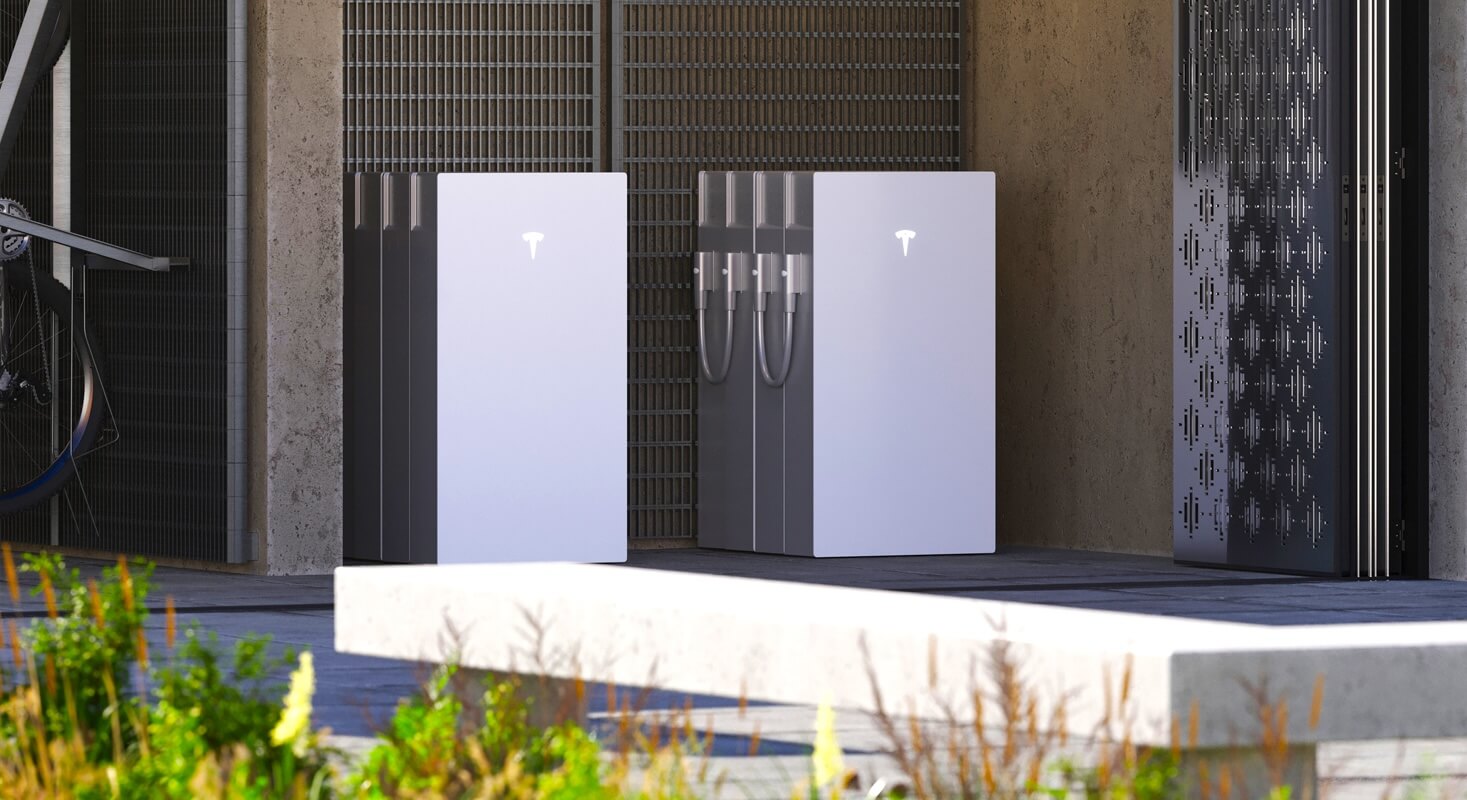
As home batteries become more popular, some suppliers are developing tariffs that specifically integrate with your battery system. These tariffs allow your battery to automatically charge when electricity is cheap and potentially export when prices are high.
HOW THEY WORK
- The tariff communicates with your battery system.
- Your battery charges during cheap periods (often overnight).
- The battery then powers your home during expensive periods.
- Some tariffs let you export stored energy back to the grid for extra income.
WHO THEY SUIT
These are ideal if:
- You have battery storage (or solar panels plus a battery).
- You want to maximise your battery’s financial benefits.
- You’re comfortable with smart home technology.
Getting the numbers to work requires careful calculation. Battery systems are expensive, so you need to maximise savings to justify the investment. The right tariff is a crucial part of that equation.
MAJOR PLAYERS
Octopus Energy offers tariffs compatible with Tesla Powerwall and other battery systems. OVO Energy has developed offerings for battery owners. As battery technology becomes more mainstream, expect more suppliers to enter this market.
COMBINING TECHNOLOGIES: THE HOLY GRAIL
Here’s where things get really interesting. If you have an electric car, solar panels and battery storage, you can create a highly optimised home energy system:
- During the day: Solar panels generate electricity. Your home uses what it needs; surplus goes to your battery.
- When your battery is full: Excess solar exports to the grid, earning you money through your SEG tariff.
- In the evening: Your battery powers your home, saving you from buying expensive peak-rate electricity.
- Overnight: Your car charges during the cheapest off-peak hours. If your battery isn’t full, it can top up too.
This setup can dramatically reduce your energy bills – sometimes to nearly zero – while also cutting your carbon footprint.
The key is choosing tariffs that complement each other: a time-of-use or EV tariff for cheap overnight charging combined with a generous SEG tariff for solar exports.
FINDING THE RIGHT TARIFF FOR YOU
So how do you actually choose?
Step 1: List your technologies
Write down what you have or plan to get:
- Electric car?
- Solar panels?
- Battery storage?
- Heat pump?
- Smart home tech?
Step 2: Understand your usage patterns
- When do you typically use most electricity?
- When is your car at home and available to charge?
- If you have solar, when do you typically export?
Step 3: Compare tariff types
Based on your technologies and patterns, narrow down which tariff types suit you. Use the descriptions above as a guide.
Step 4: Get quotes from multiple suppliers
Don’t just look at unit rates. Check:
- Standing charges
- Off-peak windows (do they match when you need to charge?)
- Export rates if you have solar
- Contract length and exit fees
Step 5: Do the maths
Work out your projected annual costs on different tariffs. This takes a bit of effort, but could save you hundreds of pounds.

A WORD OF CAUTION
Tariffs change regularly. Suppliers launch new offerings, tweak rates and sometimes withdraw products altogether. What’s competitive today might not be next year.
Also, be realistic about your behaviour. A super-cheap overnight tariff only saves money if you actually charge overnight. If you regularly forget and end up charging at peak times, you might be worse off than on a standard tariff.
Finally, don’t let the tariff tail wag the dog. Choose your car, solar system and battery based on what suits your needs and budget. Then find a tariff to match – not the other way round.
THE FUTURE OF ENERGY TARIFFS
The energy market is evolving rapidly. We’re likely to see:
- More vehicle-to-grid (V2G) tariffs, where your car battery can earn money by supplying electricity back to the grid.
- Greater integration between EVs, home batteries, solar panels and smart tariffs.
- More sophisticated AI-driven systems that automatically optimise your energy use.
- Potentially, local energy trading where you can buy and sell electricity with neighbours.
For now, though, the options outlined above give you plenty of scope to cut your bills and make the most of your clean energy technologies.
FINAL THOUGHTS
Choosing the right energy tariff isn’t glamorous, but it’s one of the most important decisions you’ll make as an electric car or solar panel owner.
Take the time to understand your options. Run the numbers. Don’t be afraid to switch if a better deal comes along.
The combination of electric vehicles, solar panels, battery storage and smart tariffs represents a genuine revolution in how we power our homes. With the right setup, you can drive for pennies, slash your electricity bills and reduce your carbon footprint – all at the same time.
